
About the Shoot — Emerson Bailey, Bozeman
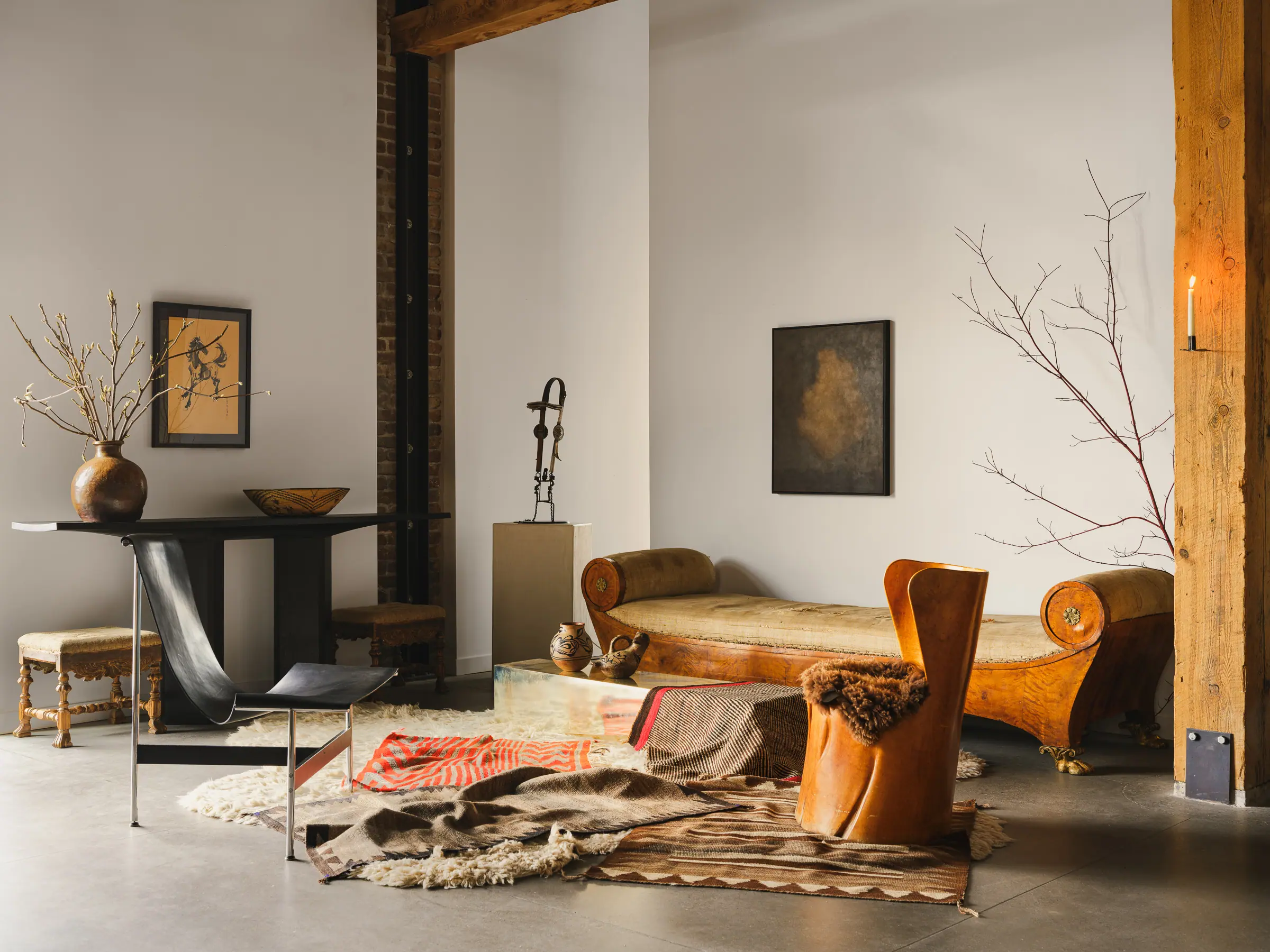
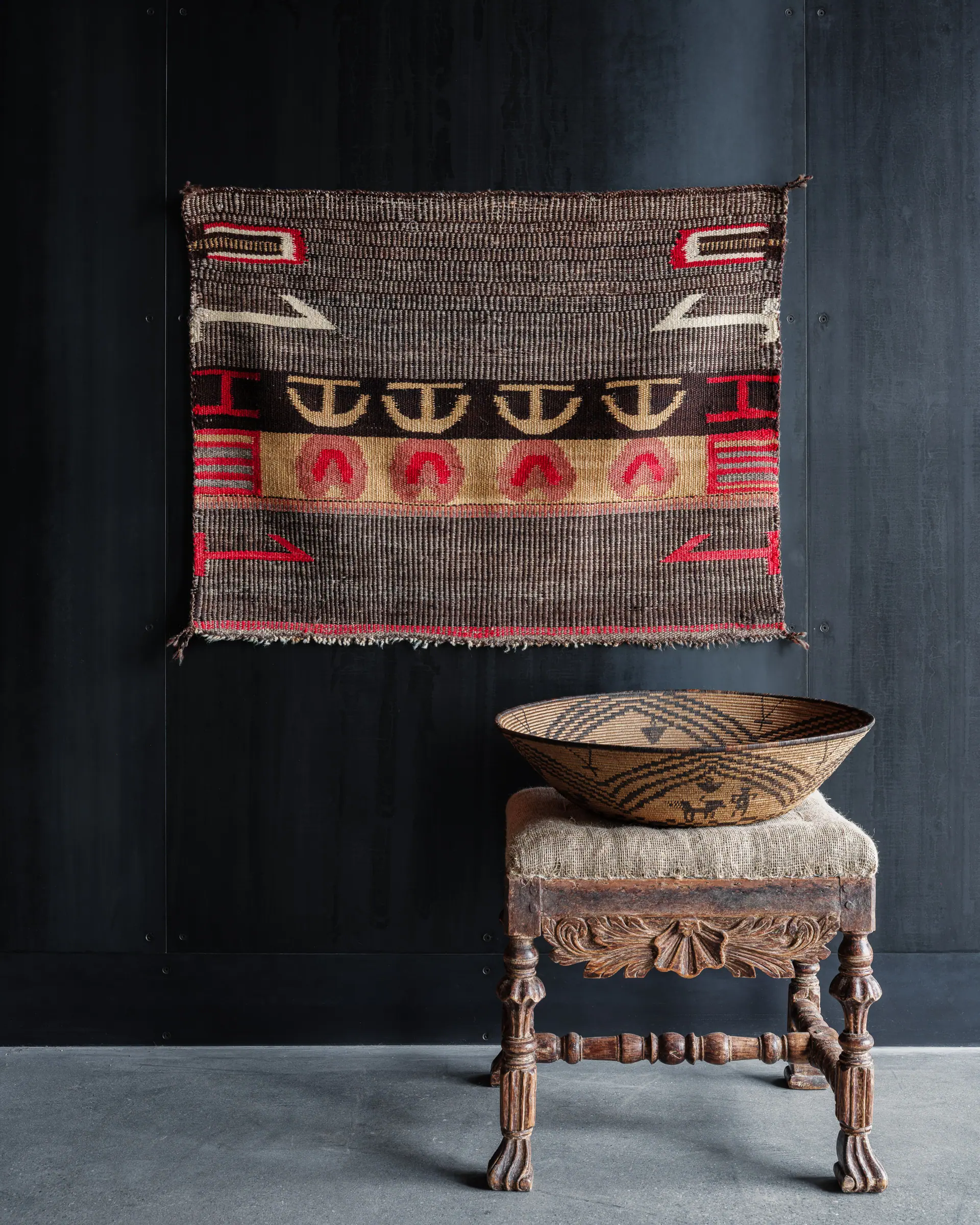
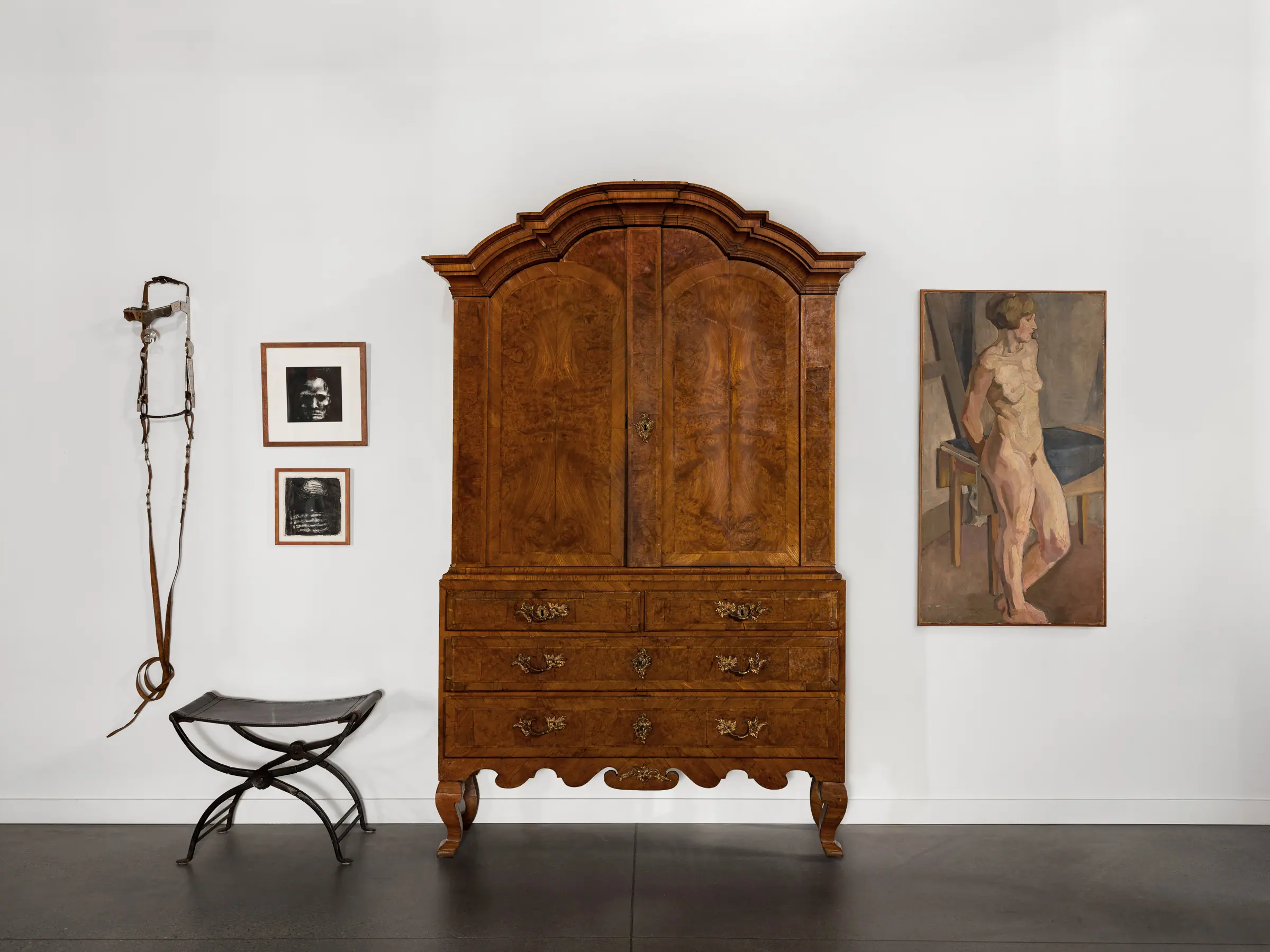
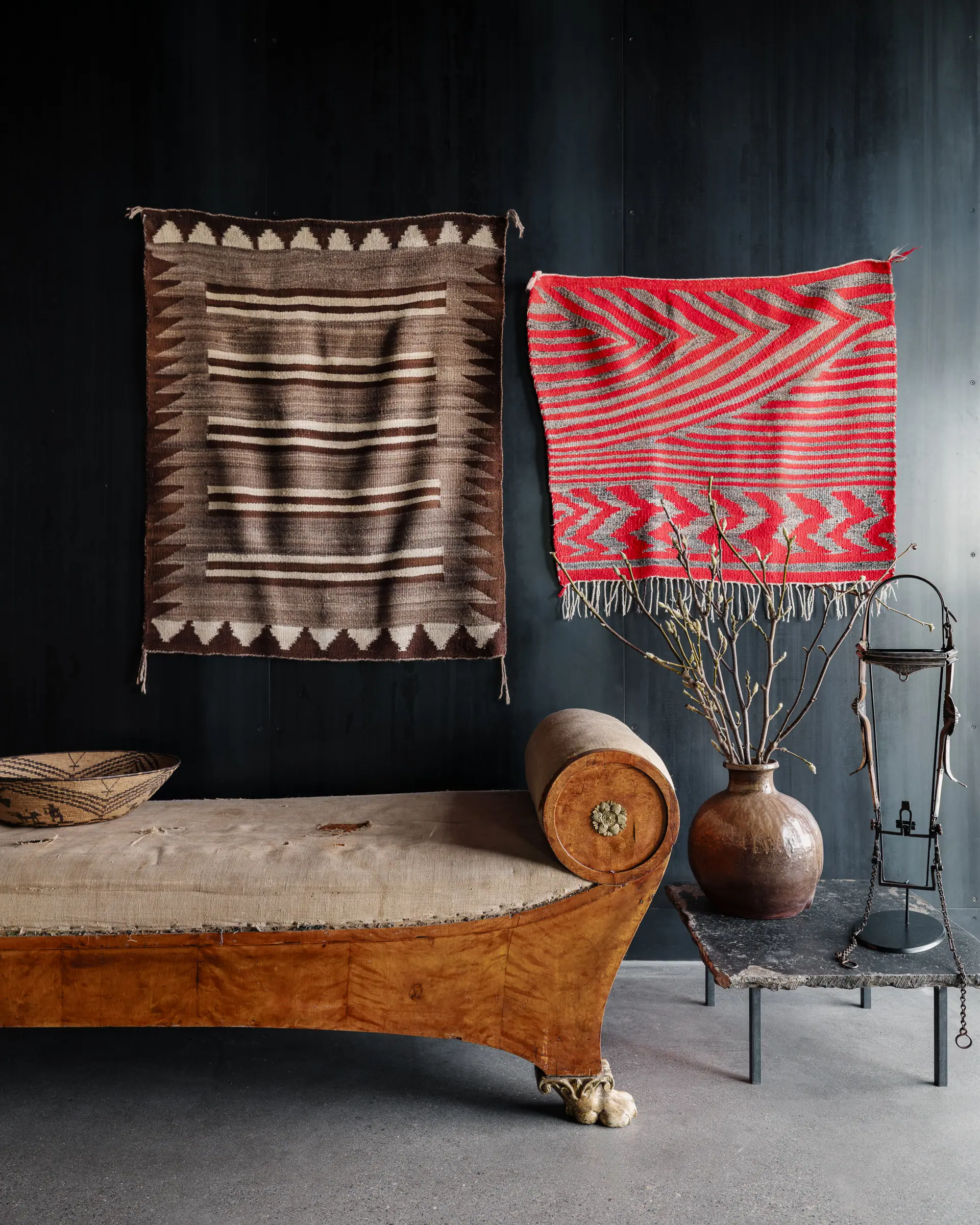
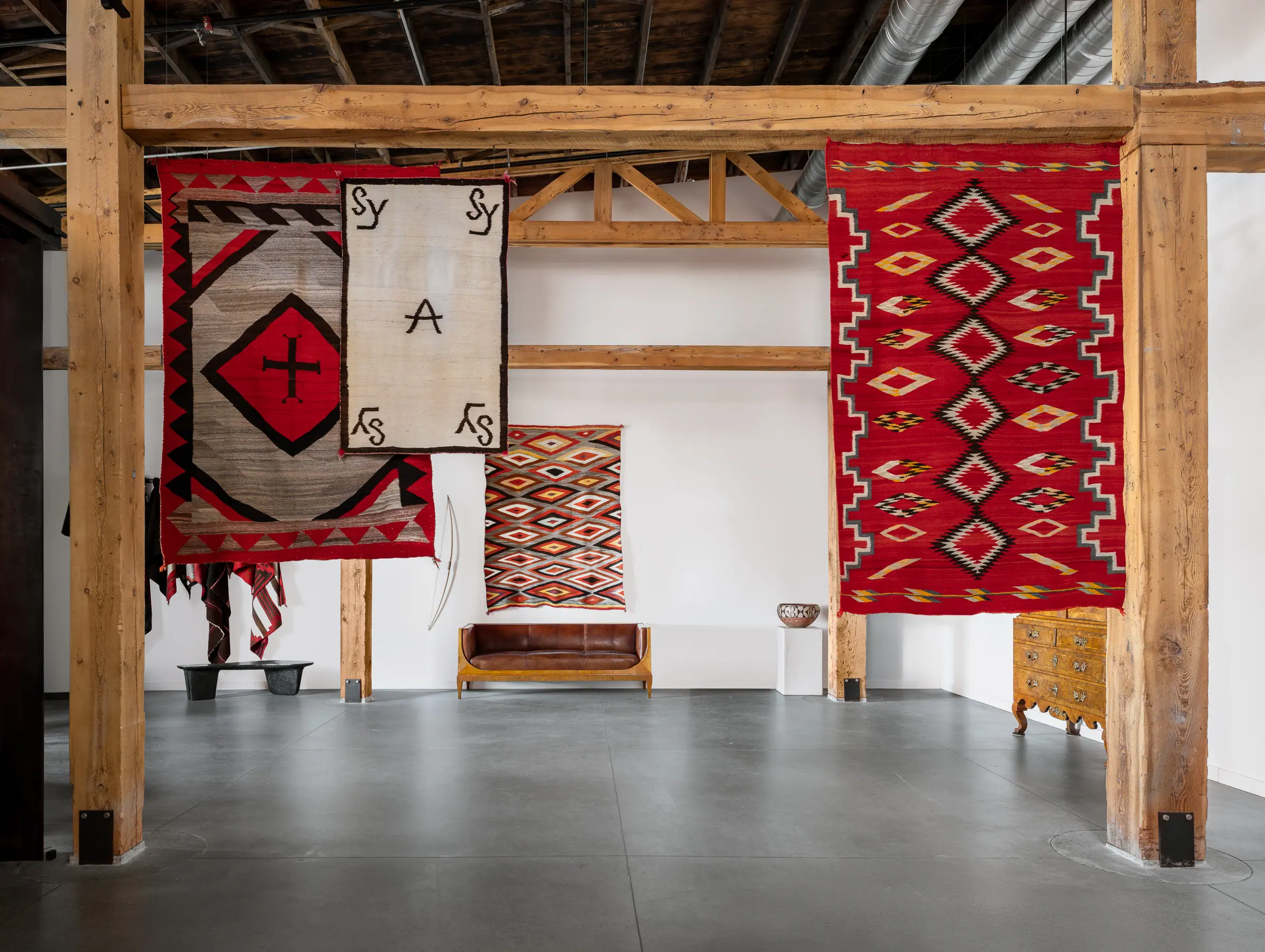
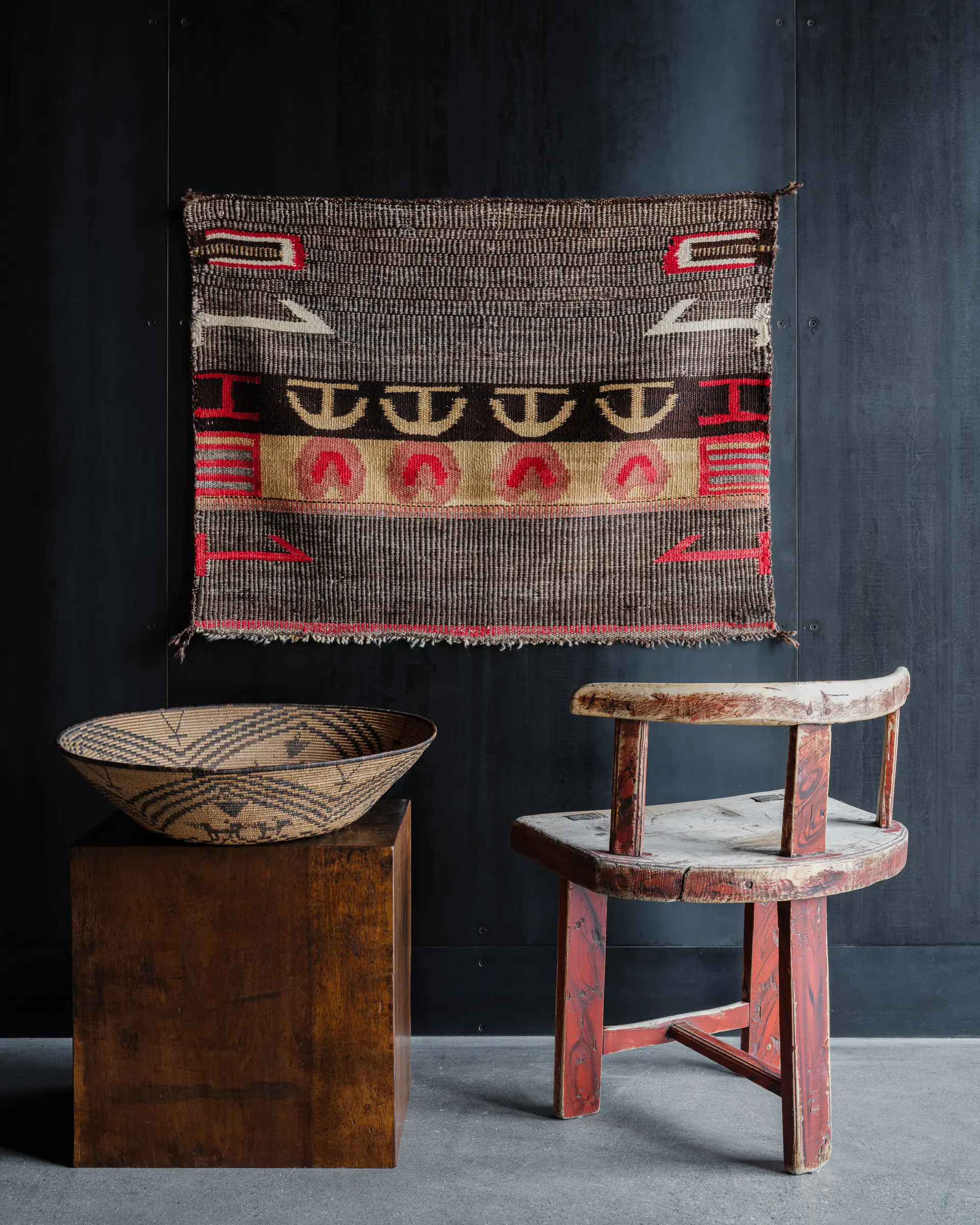
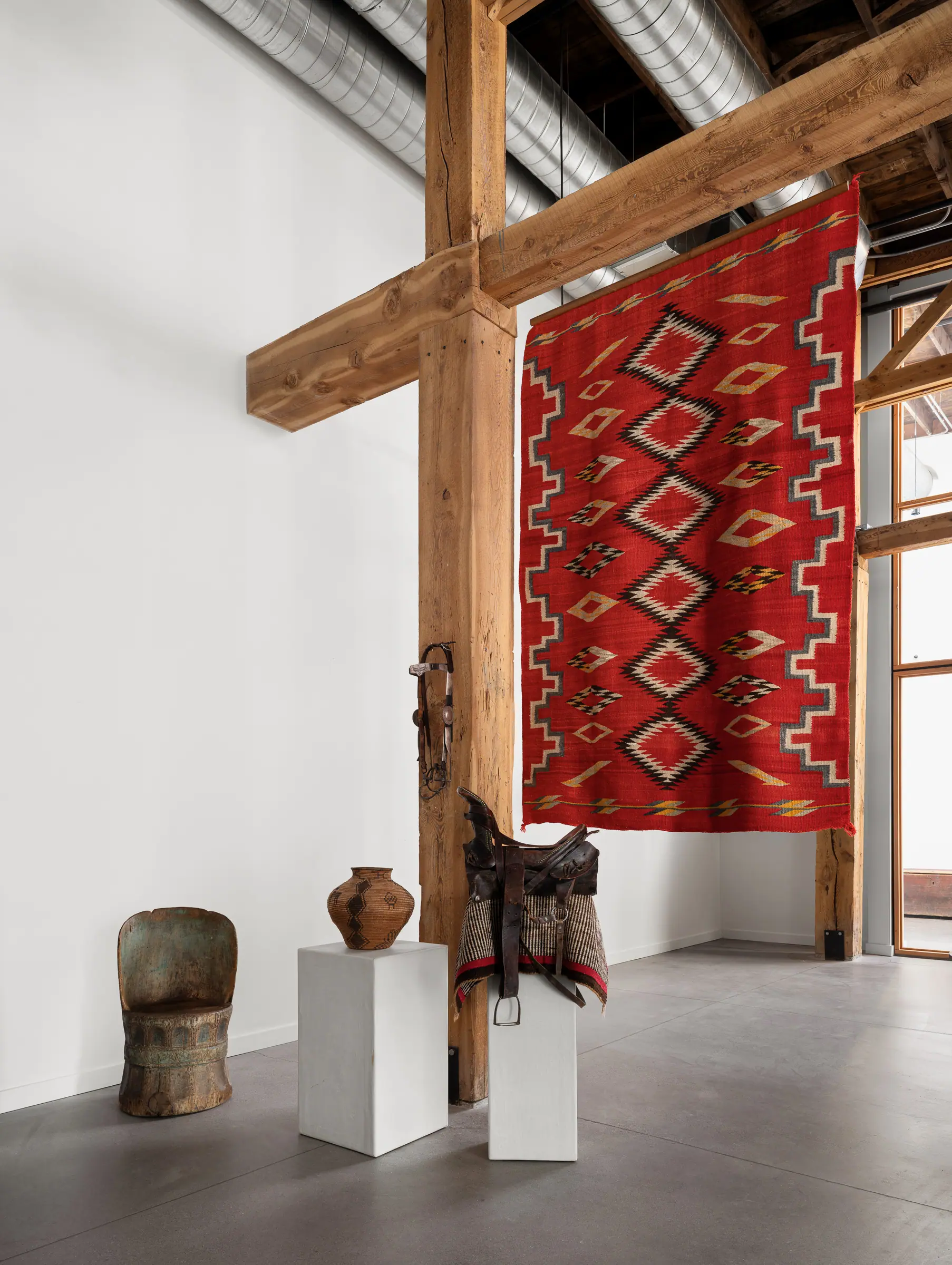
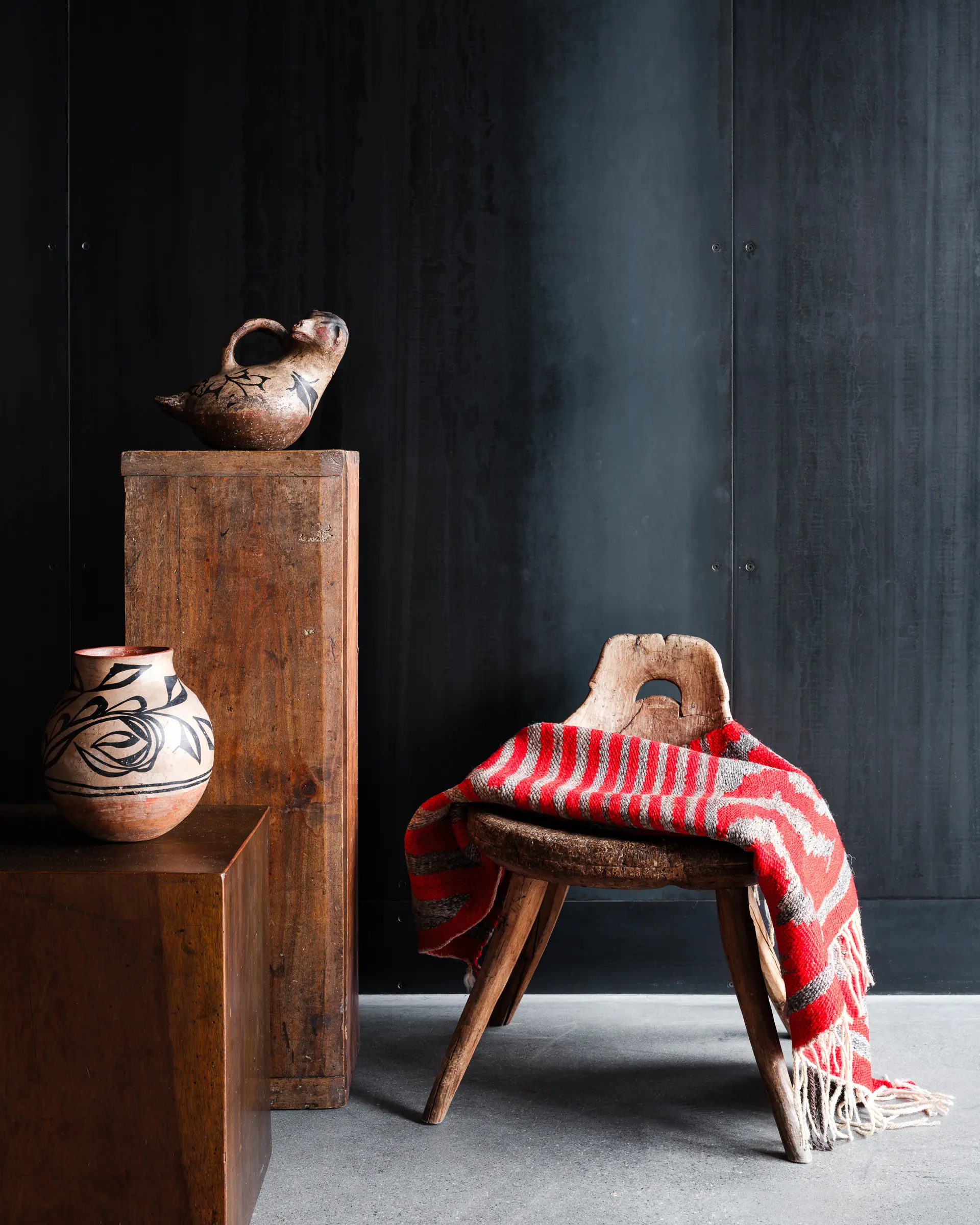
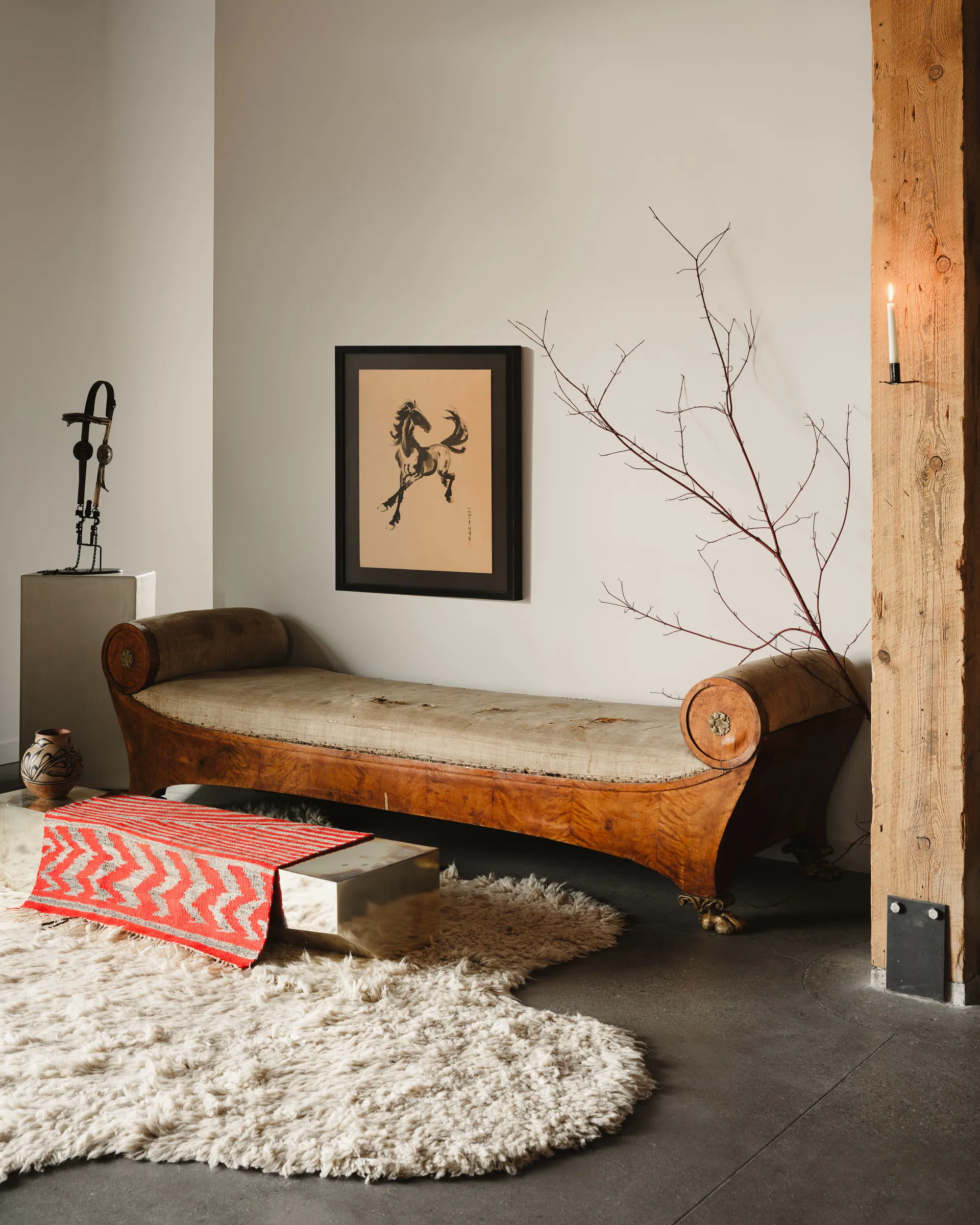
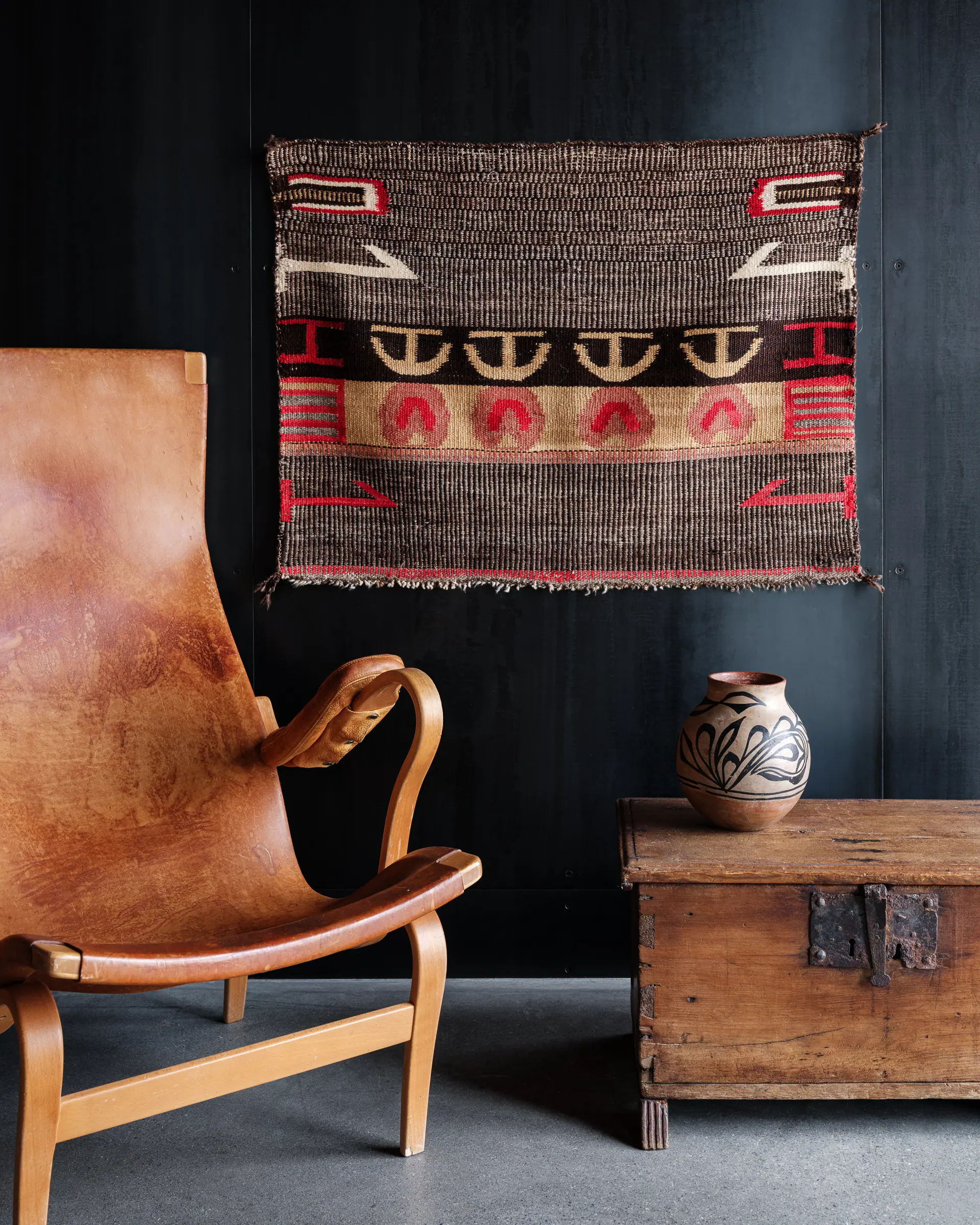
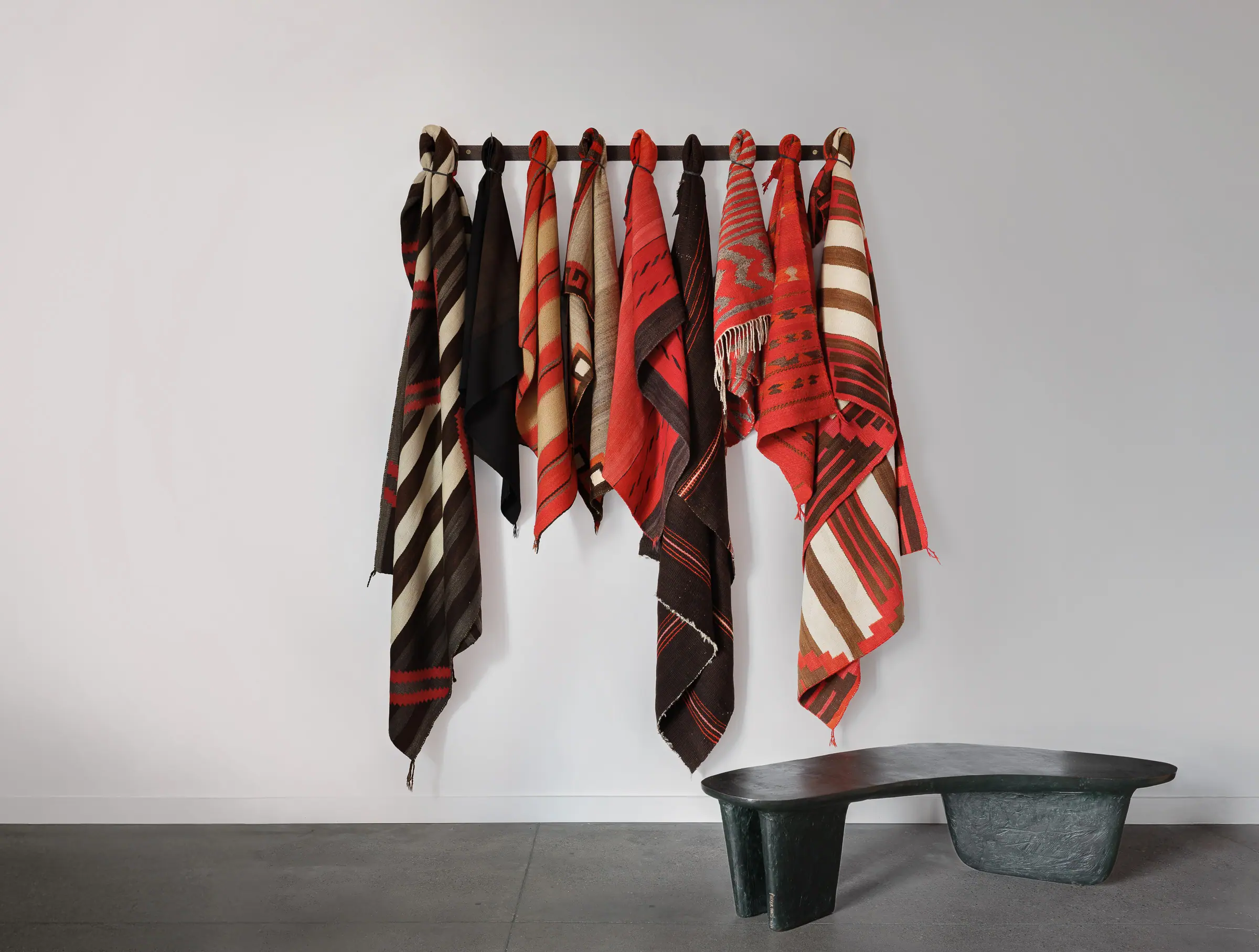
The Emerson Bailey commission came with unusual stakes. Susan Weiss — founder of the antiques collection and design studio that bears her name — had opened a Bozeman outpost in the Cannery District, bringing a deeply considered edit of Swedish antiques, European vintage, and contemporary furnishings to a city that had, quietly but unmistakably, become one of the more serious design markets in the country. The brief was to document the inaugural "Shared Ground" exhibition, a collaboration with Shiprock Santa Fe that placed 19th-century European pieces in direct dialogue with Indigenous works from the American Southwest.
The timing had other ideas. I landed from Japan the night before the shoot, delayed two days by a massive snowstorm and a cascade of missed connections — aware that the weekend was the only window available. Galerie Magazine had committed to the story, and the publishing deadline was 9am Monday in New York. There was no rescheduling.
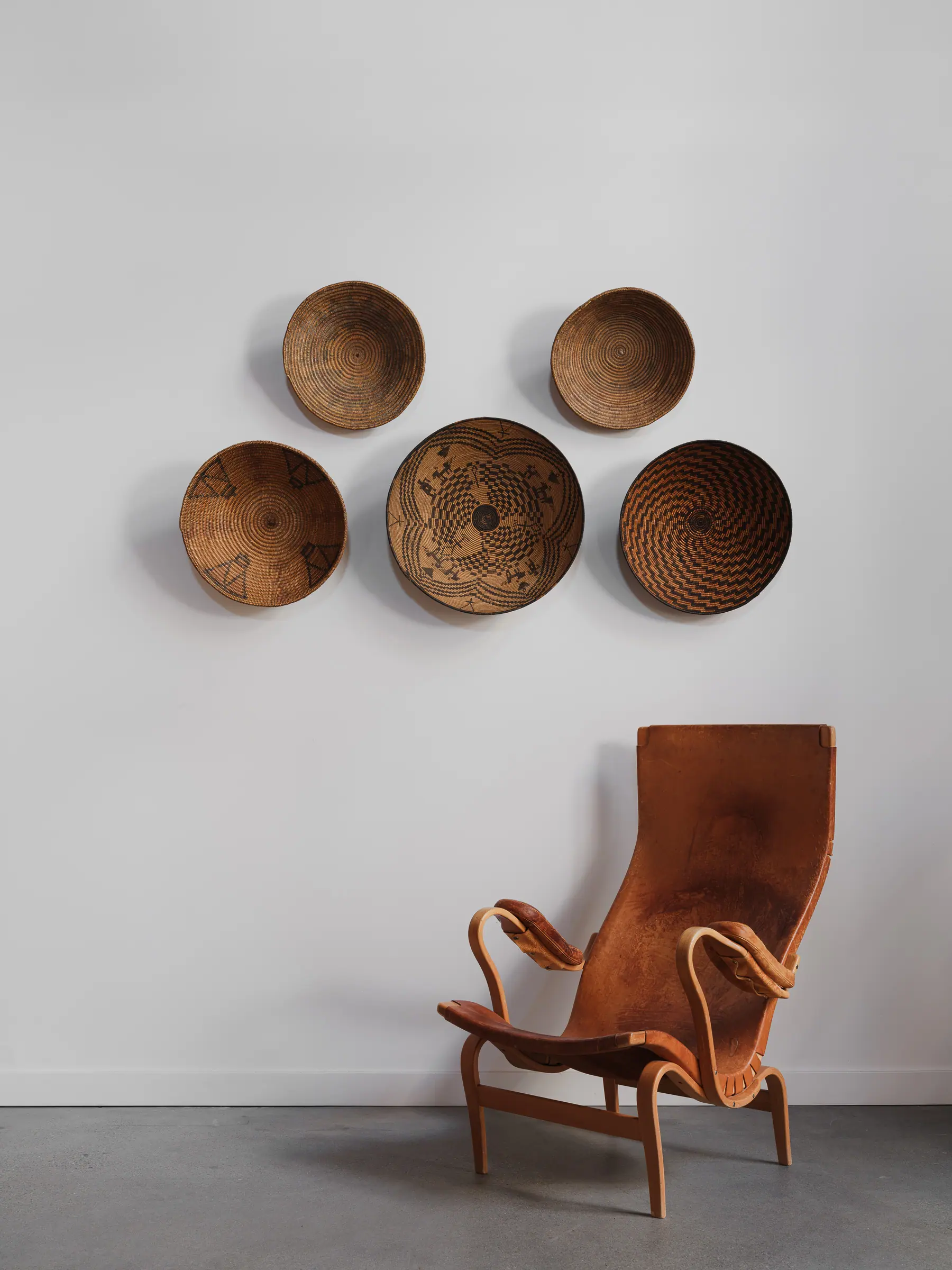
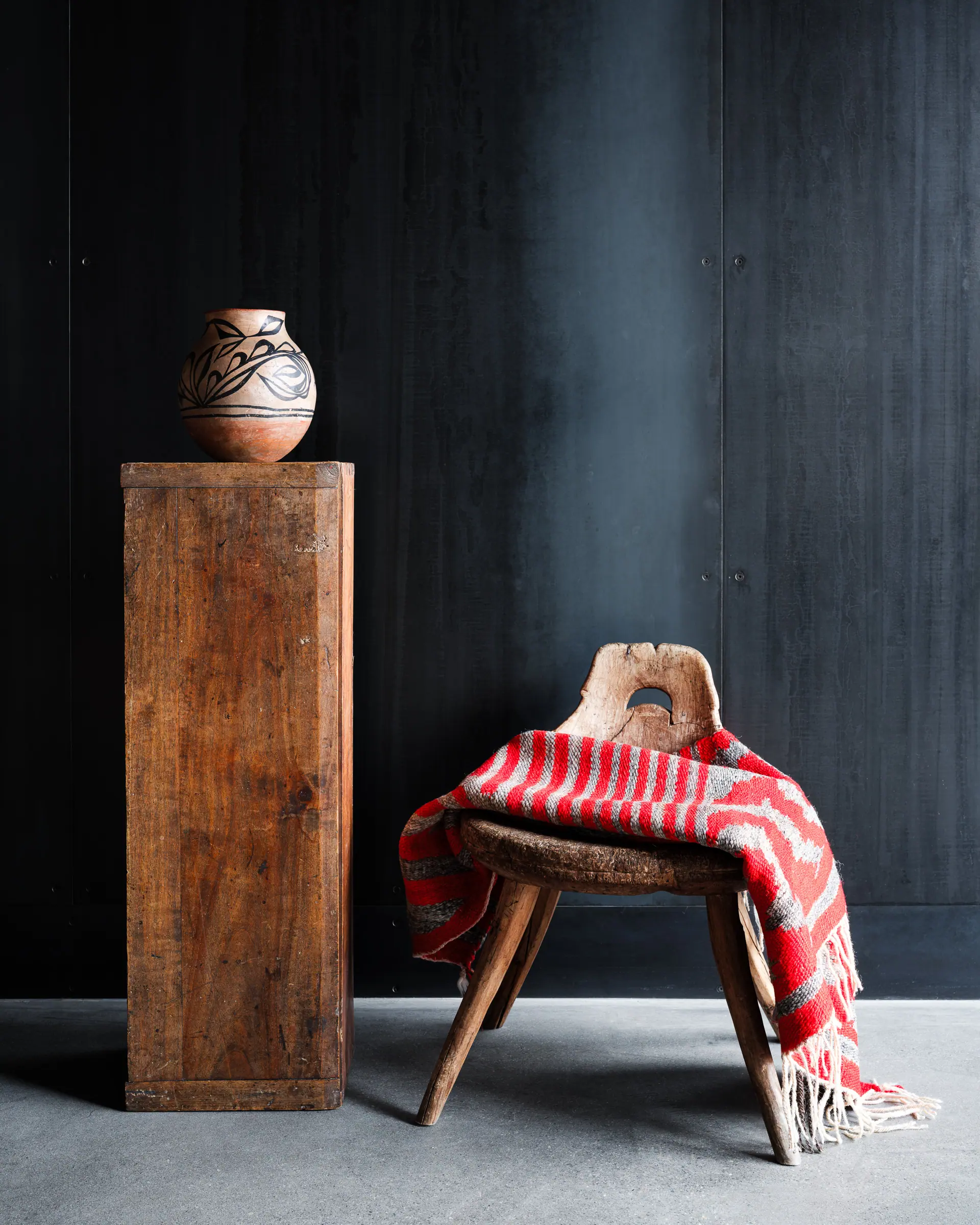
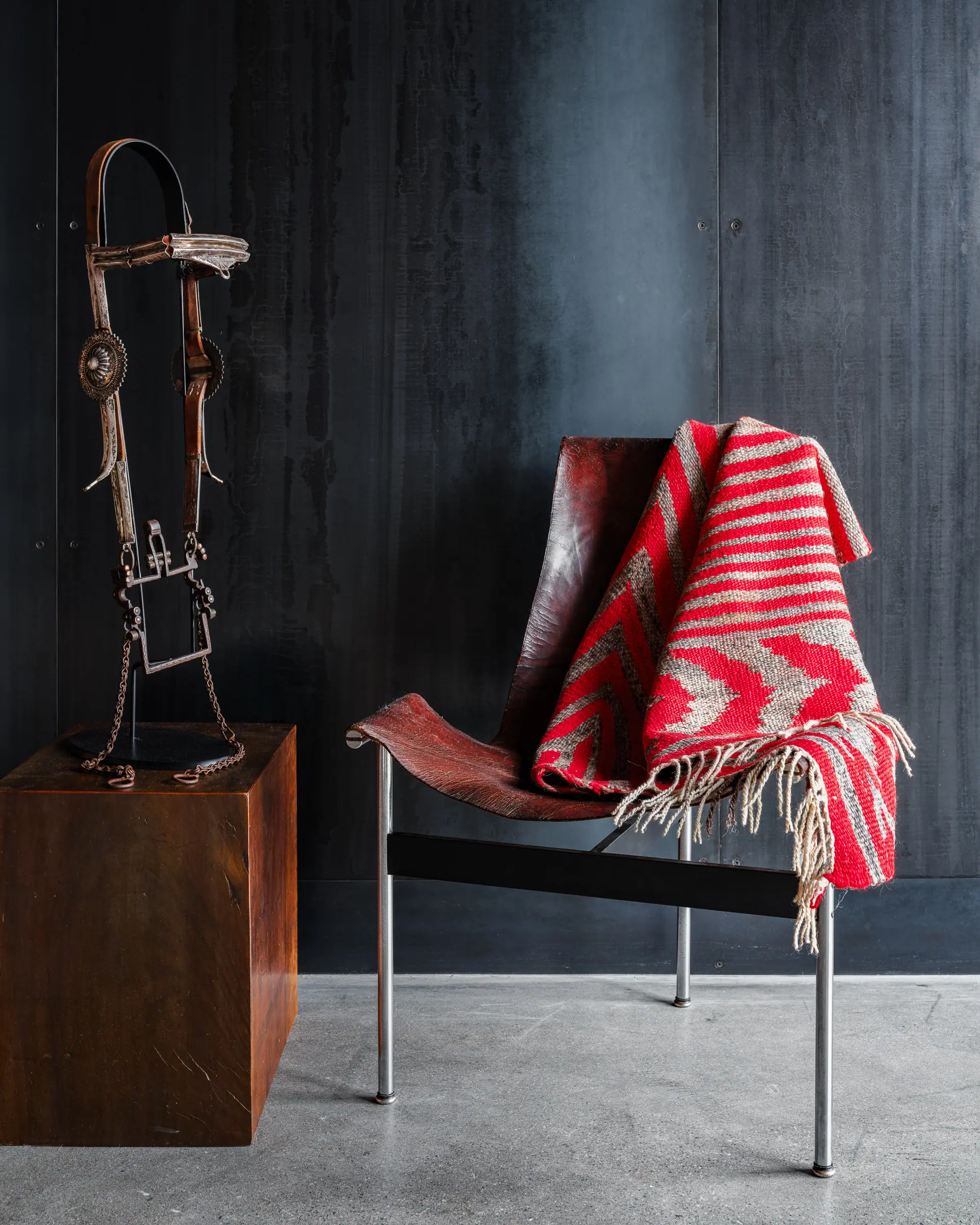
Two full days followed. Weiss had spent years sourcing across Europe and Scandinavia — a Swedish Empire daybed attributed to Svartsjö Castle, Hälsingland folk armchairs, hand-stamped Navajo silverwork, Apache baskets. Each piece carries what she refers to as a living patina: evidence of a history of use that mass production cannot replicate. Her eye, developed across years of searching through Swedish auction houses and Northern European dealers, assembles rooms with the kind of authority that resists easy analysis. The light in the Cannery District space — generous, northern, consistent — helped make the case.
By Sunday evening the edit was done. The work ran in Galerie Magazine, and that spring the exhibition was included among ten collectible design shows worth seeing globally.
Bozeman draws a particular kind of client — architects, designers, and collectors who have built or work extensively across Big Sky, the Yellowstone Club, and the broader corridor between Bozeman and Jackson Hole. These are people accustomed to the best of what New York, Los Angeles, and London offer, who have chosen the Mountain West not as a retreat from that world but as a full expression of it. The density of serious architecture and interior design work in this region — the residential scale, the material ambition, the caliber of the designers engaged — compares favorably with any market in the country. Emerson Bailey understood this early. Weiss saw something here that most people from outside the region take years to recognize: that Bozeman is not catching up to the coasts. In several ways, it no longer needs to.