Interiors · Montana
At Dry Creek Ranch, a House Built for the Real Thing
Designer Lori Garden and a roster of artists and craftspeople layered light, metal, paint, and upholstery into a home where the client’s days are measured in hay, hooves, and the occasional gopher standoff—proof that “livable” and “beautiful” don’t have to negotiate.
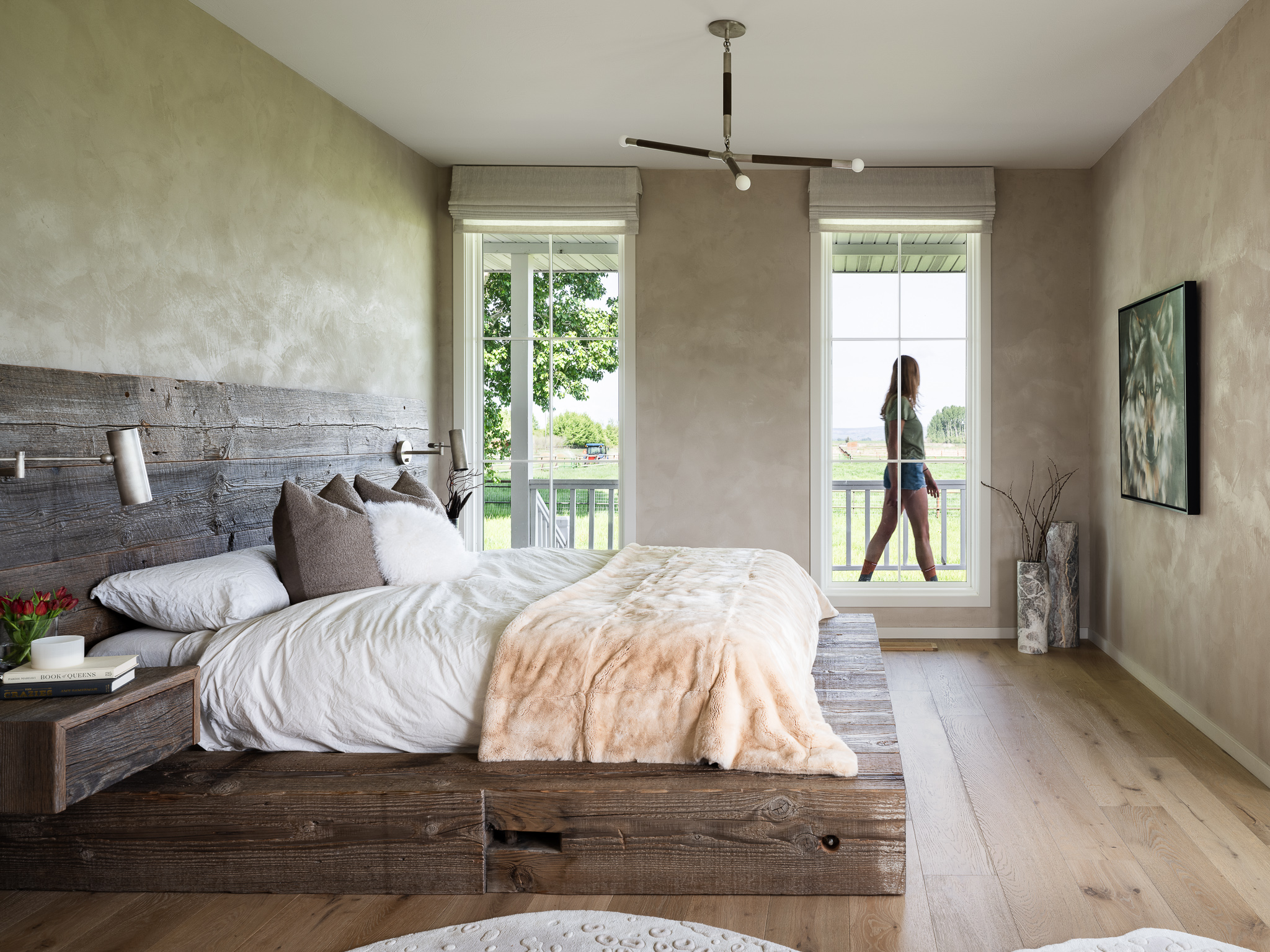
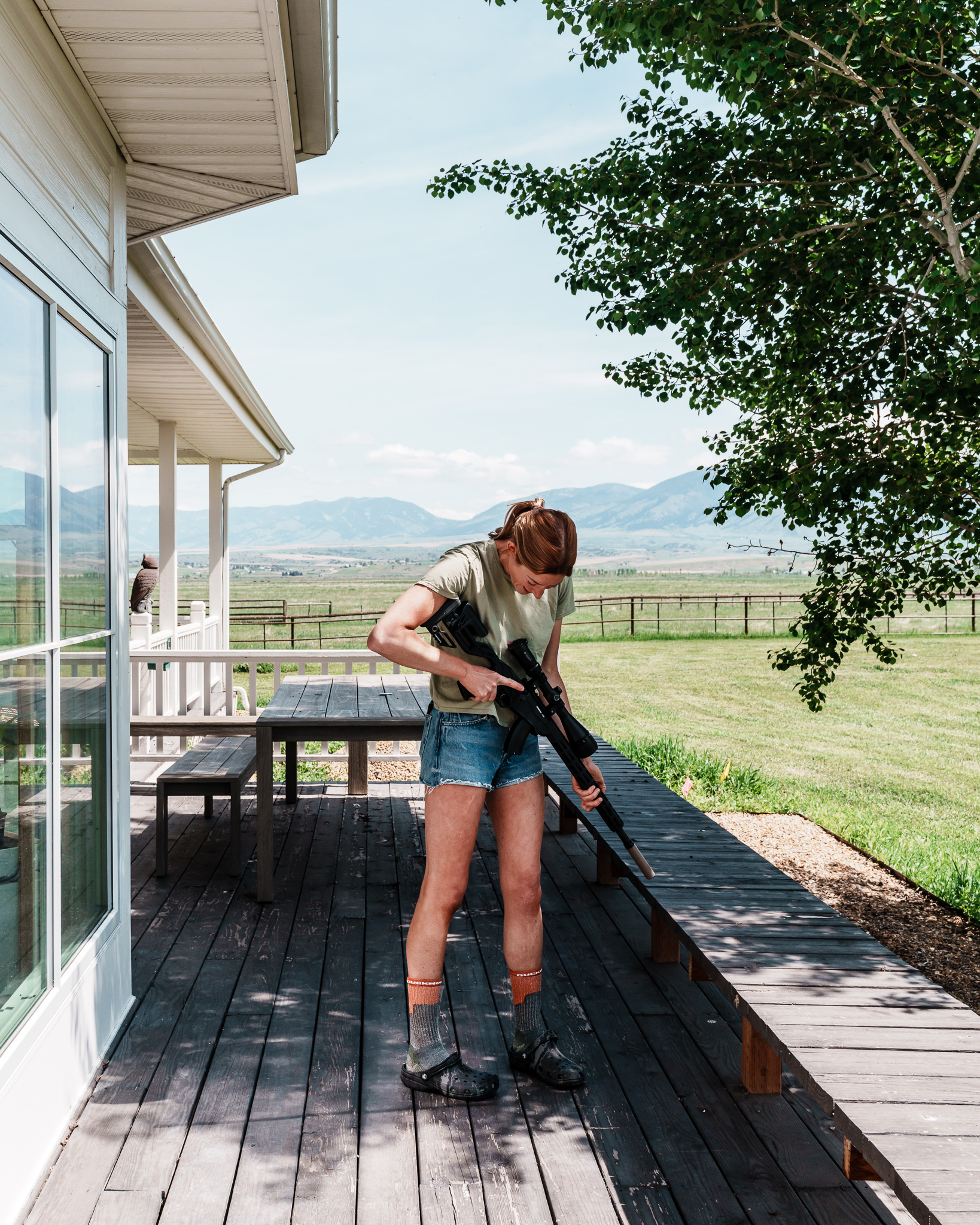
Long before the last bolt of fabric was approved, Ellie had already decided what this place had to be: not a weekend postcard of the West, but a working companion to the life she actually leads—raising animals, riding out in the morning, and defending the kitchen garden with the same focus she brings to everything else. (Yes, that includes the gophers.) Lori Garden, principal of Design Republic Interiors, took that brief seriously. The house at Dry Creek Ranch wasn’t dressed up as a ranch; it was tuned to one.
Walkthroughs with Garden have a rhythm: pause at the threshold, note how daylight moves, then decide what deserves to sing and what should quietly hold the room. Here, that discipline meant resisting the temptation to overfill—letting a few exceptional pieces from trusted collaborators carry real weight instead of crowding the story. Among the works that reward a second look are pieces by Paige Ring, whose art surfaces throughout the home—quiet punctuation beside windows and above consoles, never competing with the view.
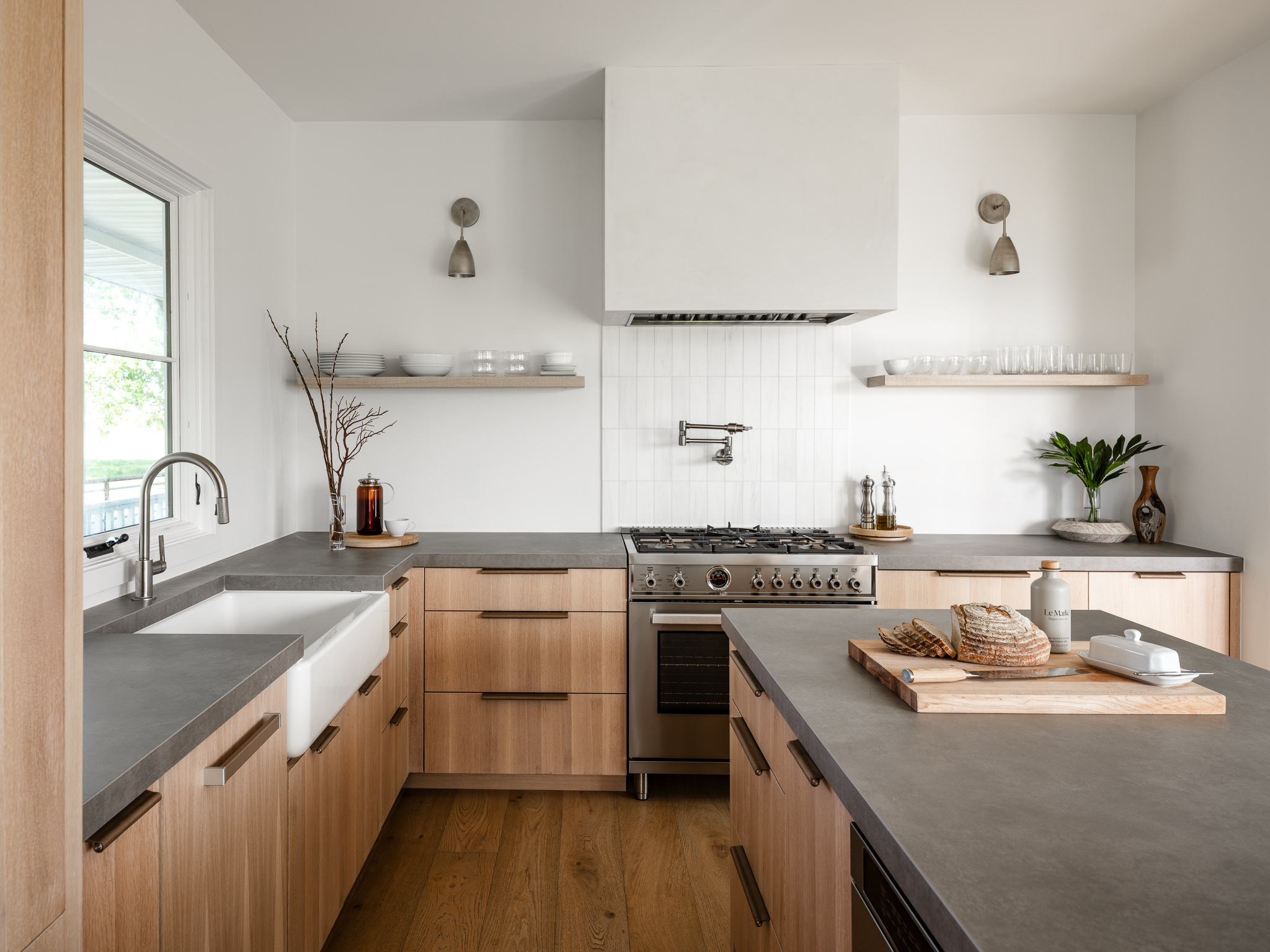
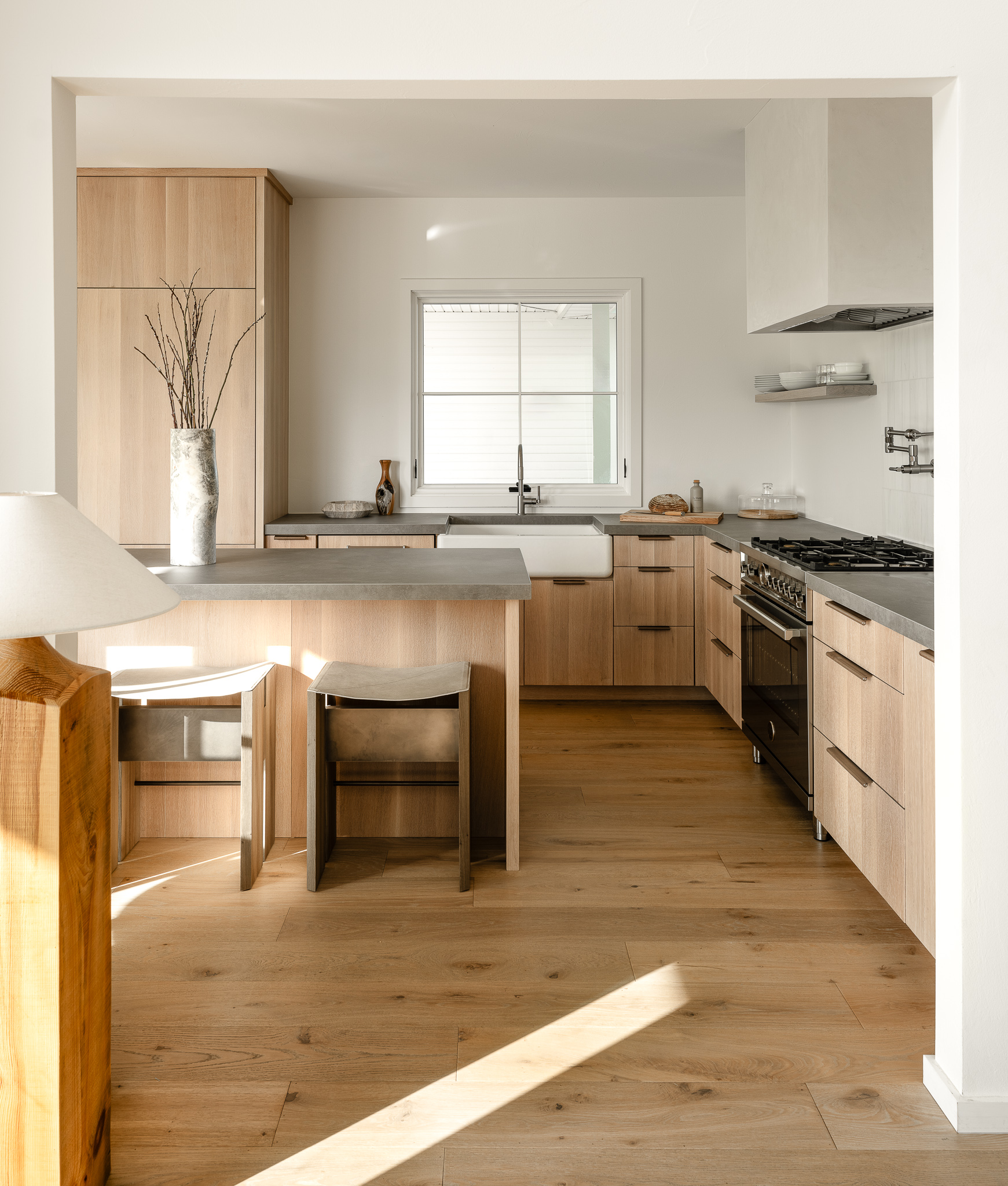
Garden’s process is collaborative by instinct. Here, that meant weaving together specialists who could hold their own against architecture, landscape, and the honest wear of muddy boots. Lighting from Apparatus Studio anchors key rooms with sculptural presence—pieces that read as much like jewelry as illumination. Ona Magaro brought an additional lighting language into the mix, layering warmth and shadow so the interiors never feel like a showroom after sunset.
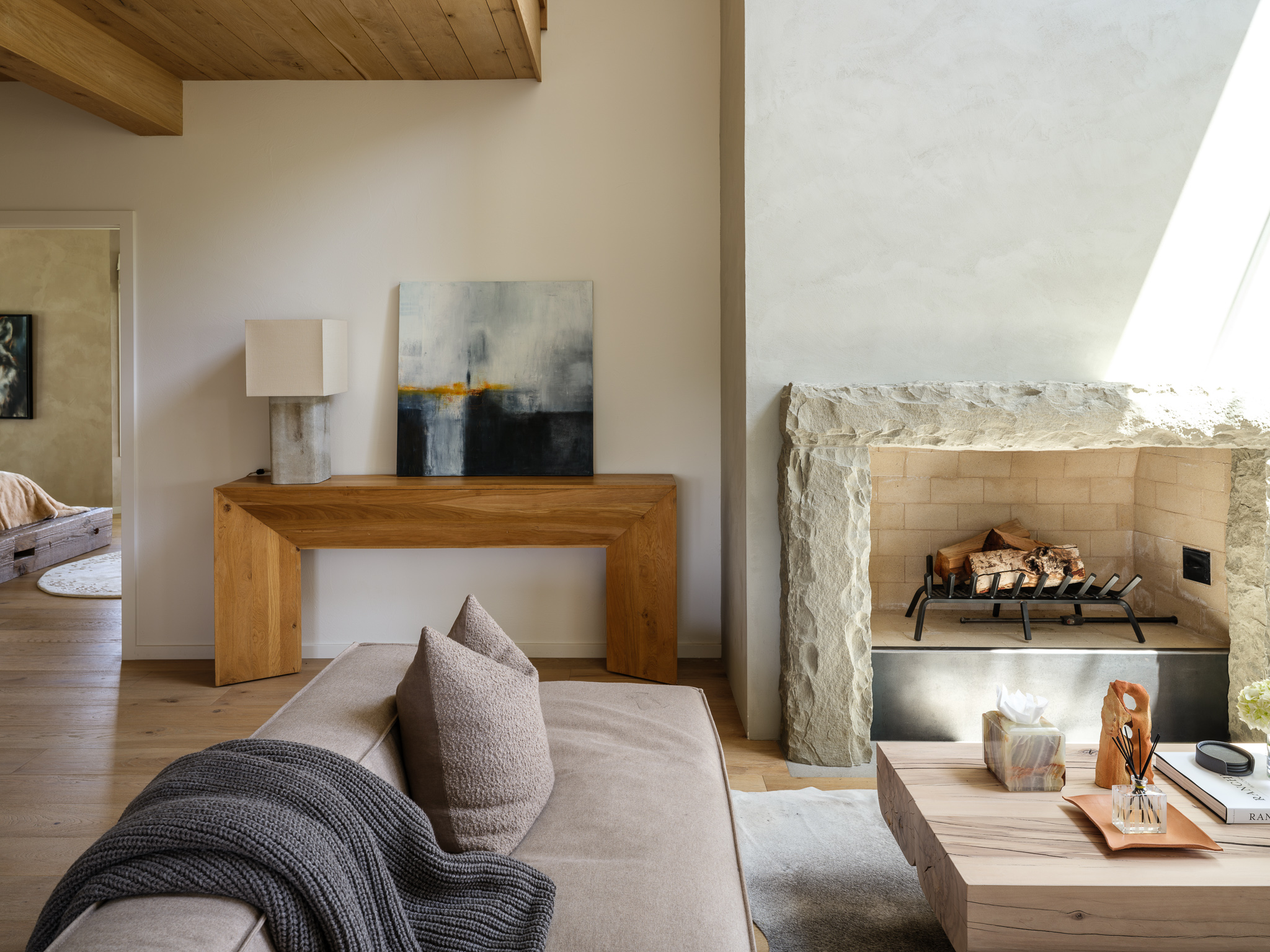
Where bodies meet furniture, Green Seams handled upholstery with the kind of tailoring that survives daily use—corners that stay crisp, cushions that rebound, fabrics chosen for life with dogs, guests, and the odd piece of tack set on a bench. Custom metalwork by Jennifer Alden Design threads through the home as punctuation: restrained, reflective moments that catch Montana sun and hold the eye without shouting.
On the walls, oil paintings by Kallie Audet soften the architecture and root the rooms in color fields that feel discovered rather than installed. Paige Ring’s work joins that chorus—pieces that read like memory made material, sitting comfortably next to Audet’s oils and the home’s quieter moments of negative space. Together with Garden’s layout and material palette, the art reads as part of the same conversation—land, sky, and the slow shift of seasons beyond the windows.
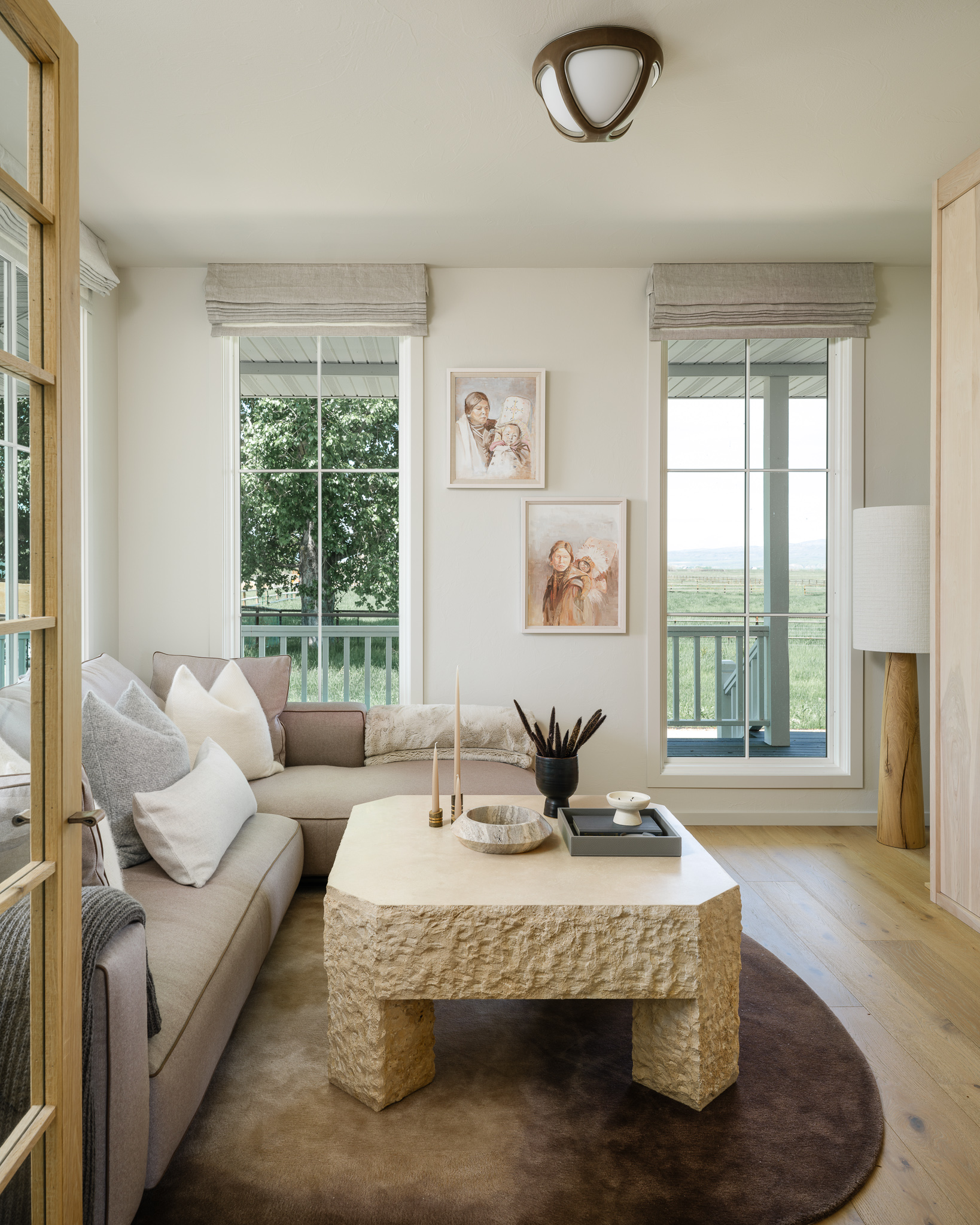
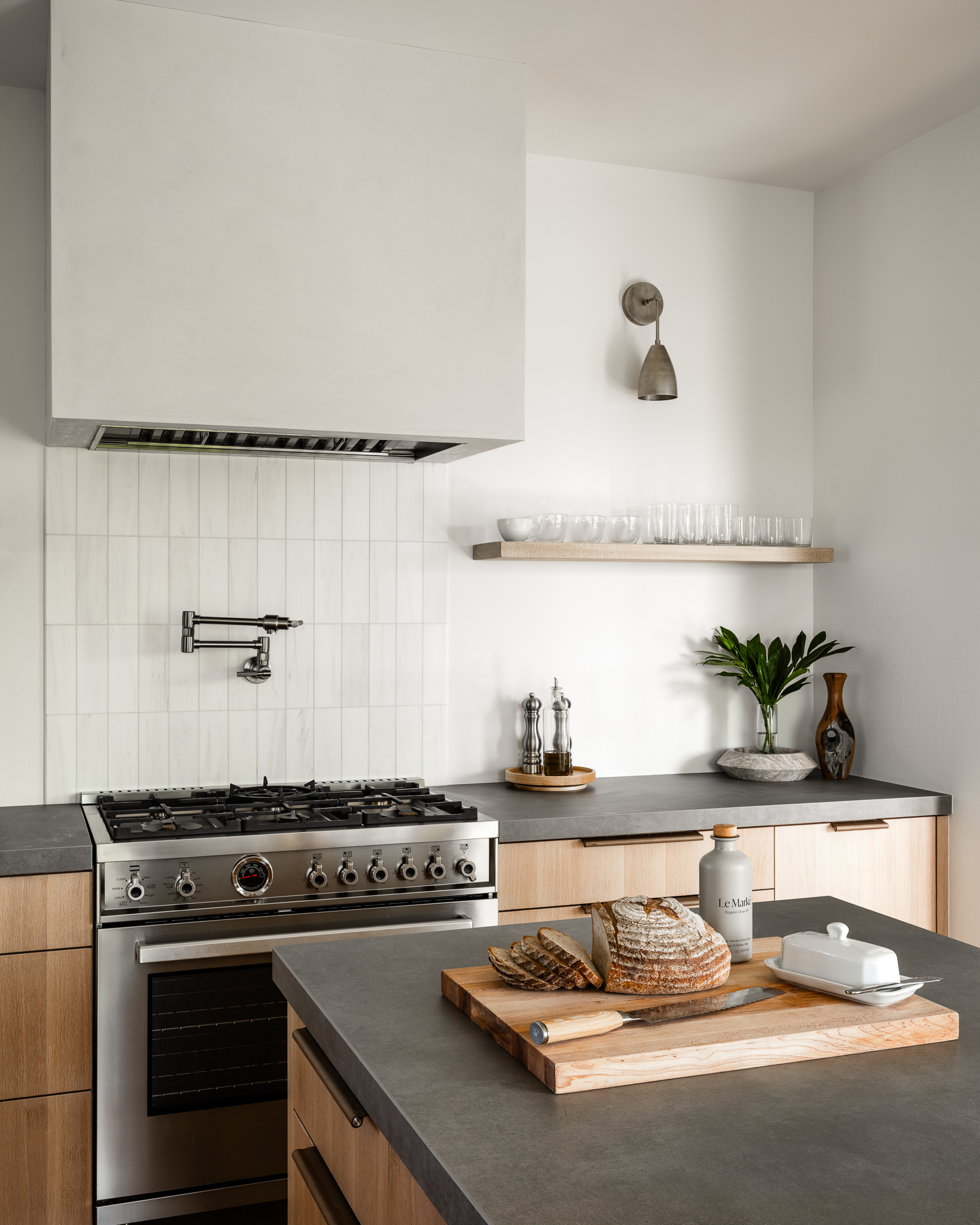
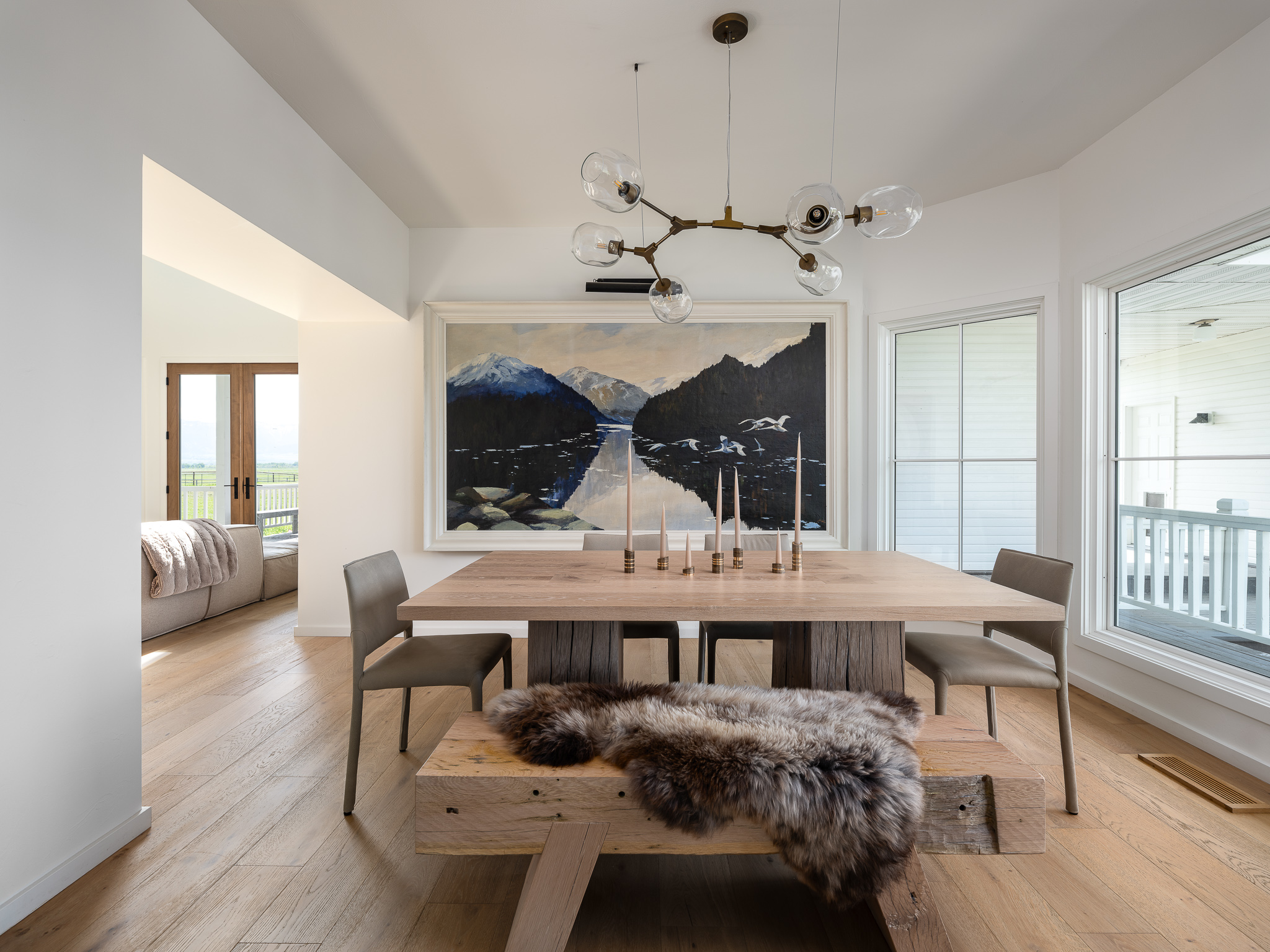
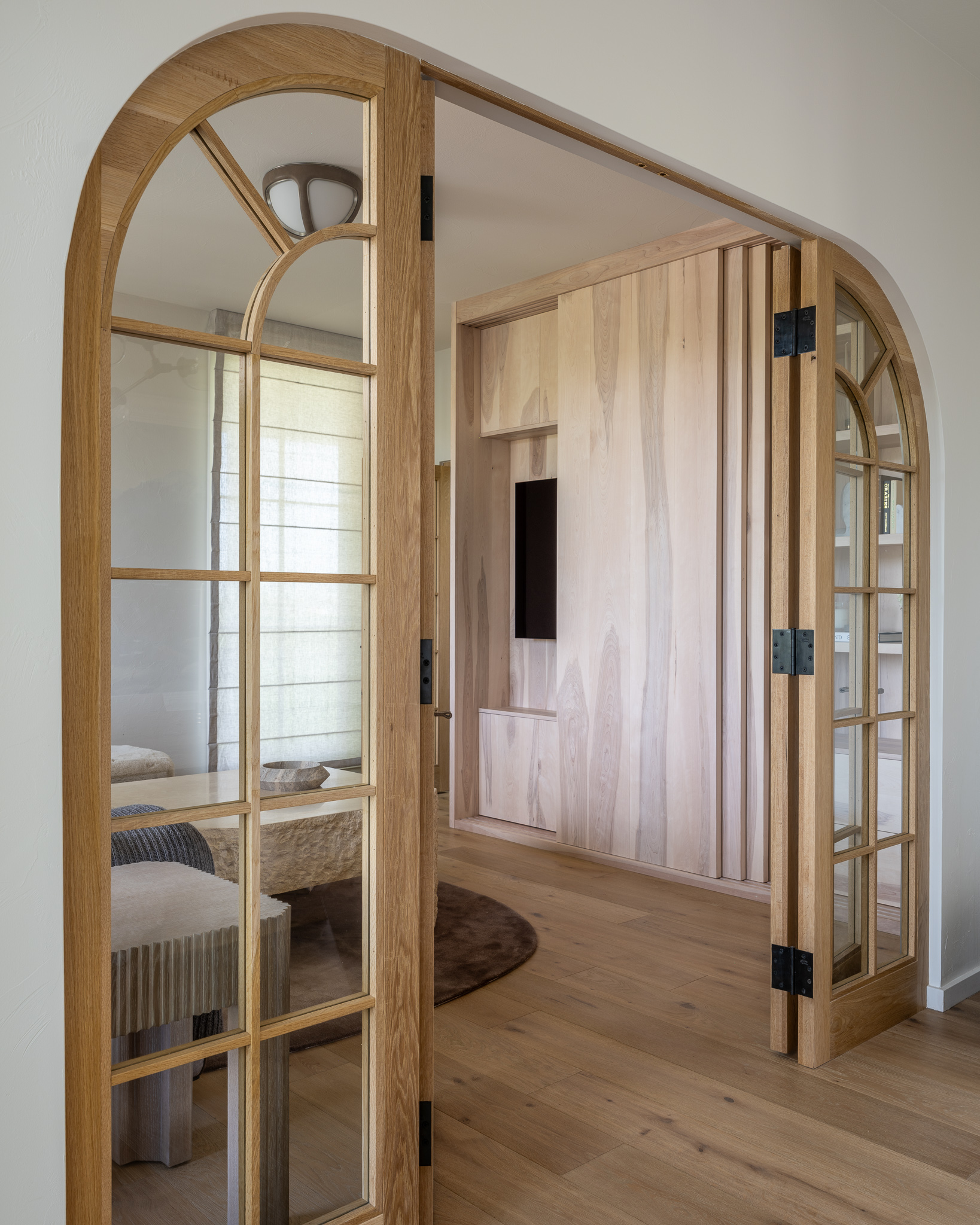
Mornings at the ranch set the tone Ellie wanted the house to remember: boots by the door, coffee while the light climbs the ridge, then out to the animals before the day narrows into errands and emails. Garden translated that cadence into flow—hallways that don’t feel like corridors, pockets where a jacket can land without apologizing, and sight lines that still feel composed when life piles up.
Ellie’s embrace of ranch life is the thread that ties every decision together. The house accommodates the practical rhythms—gear by the door, spaces that can breathe when everyone comes in from the cold—while still offering the quiet luxury of rooms that feel considered. Garden and her collaborators weren’t chasing a single “look.” They were building a setting where Ellie’s world—horses in the paddock, animals in the barn, and the small, stubborn dramas of a garden—could feel at home.
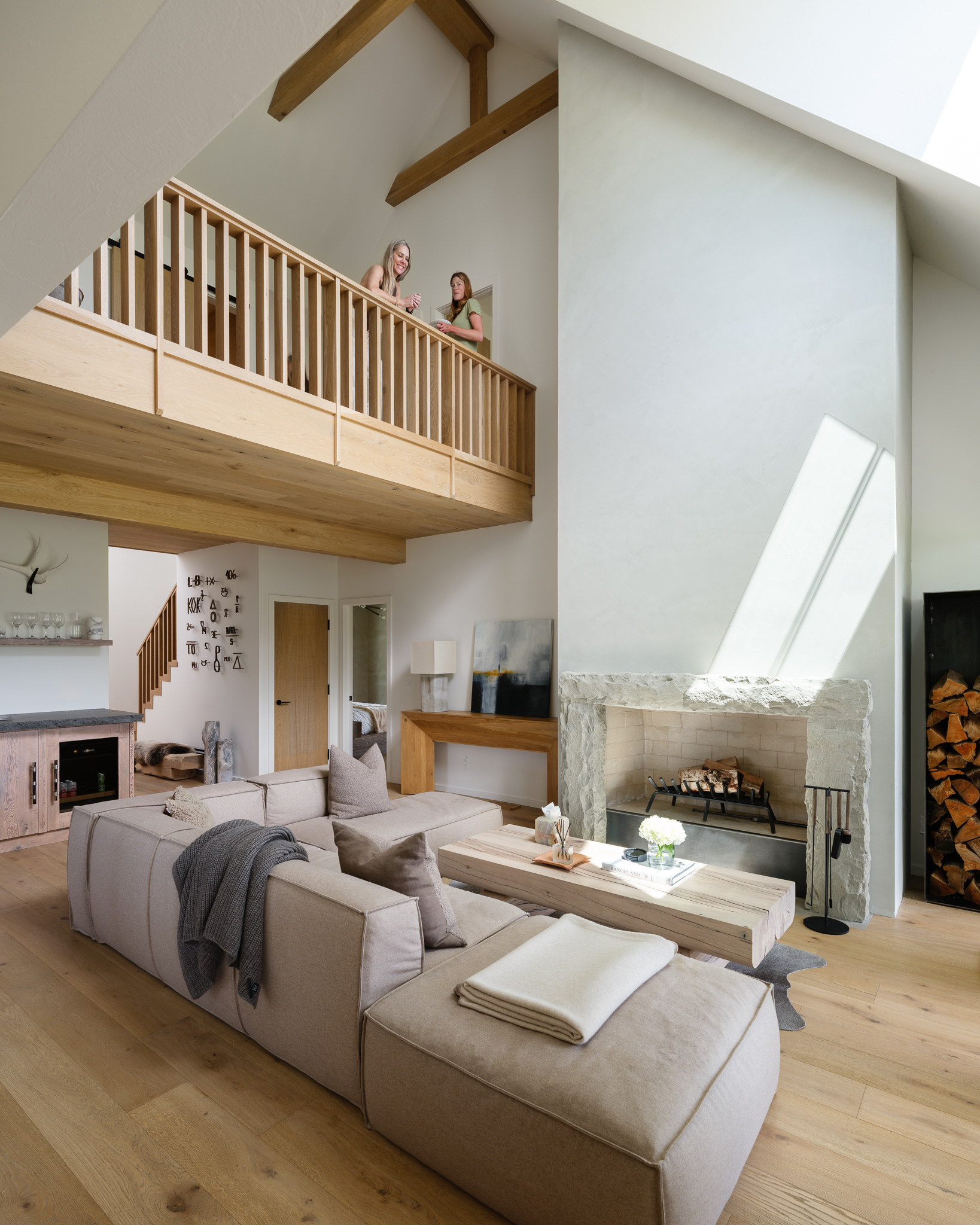
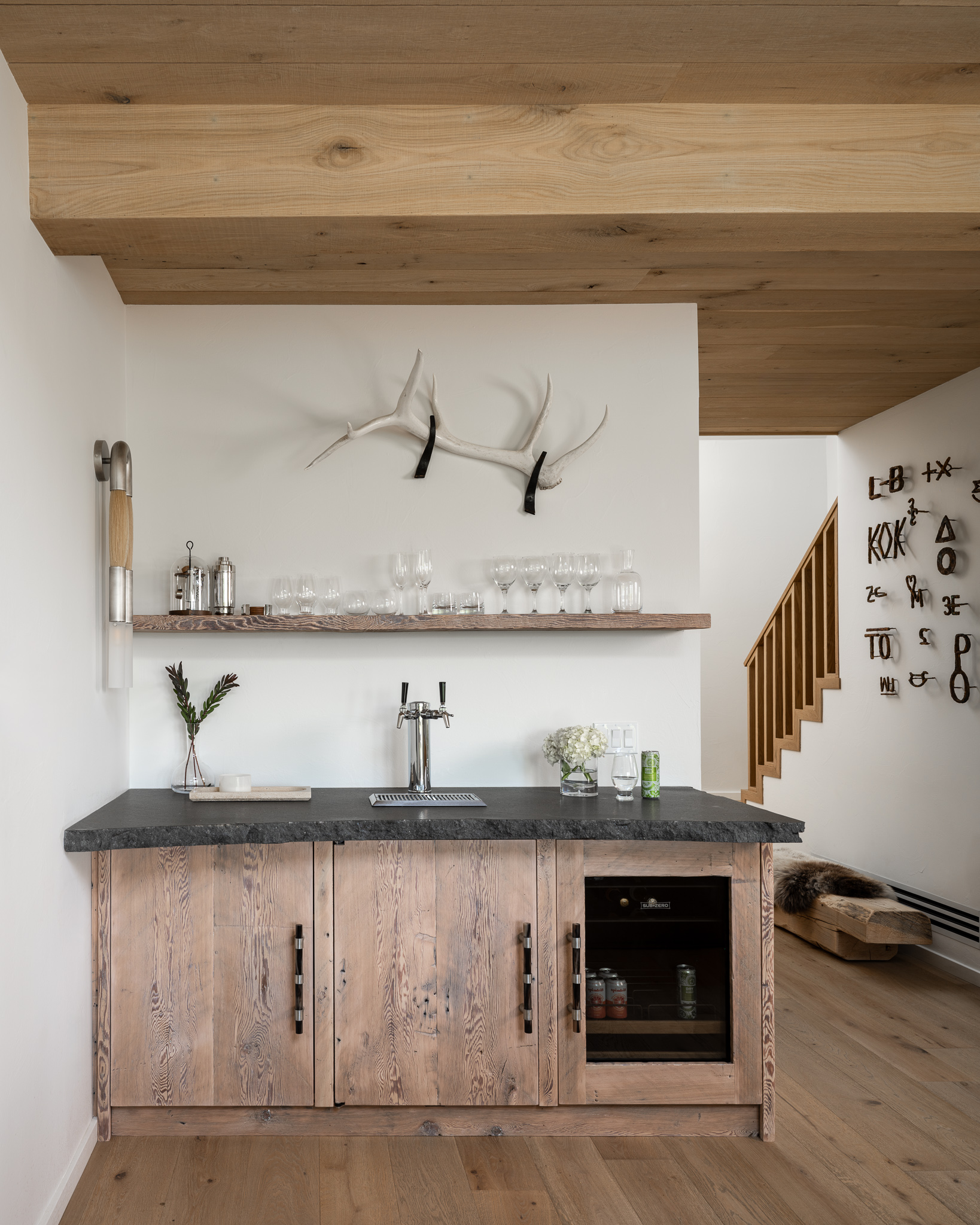
Evening is when the collaboration reads most clearly: Apparatus and Magaro carve out pockets of glow; Audet’s oils and Paige Ring’s pieces settle into shadow at different tempos; and the metalwork catches a last thin band of sun. It is the opposite of a stage set—more like a score everyone learned by heart, then learned to improvise inside.
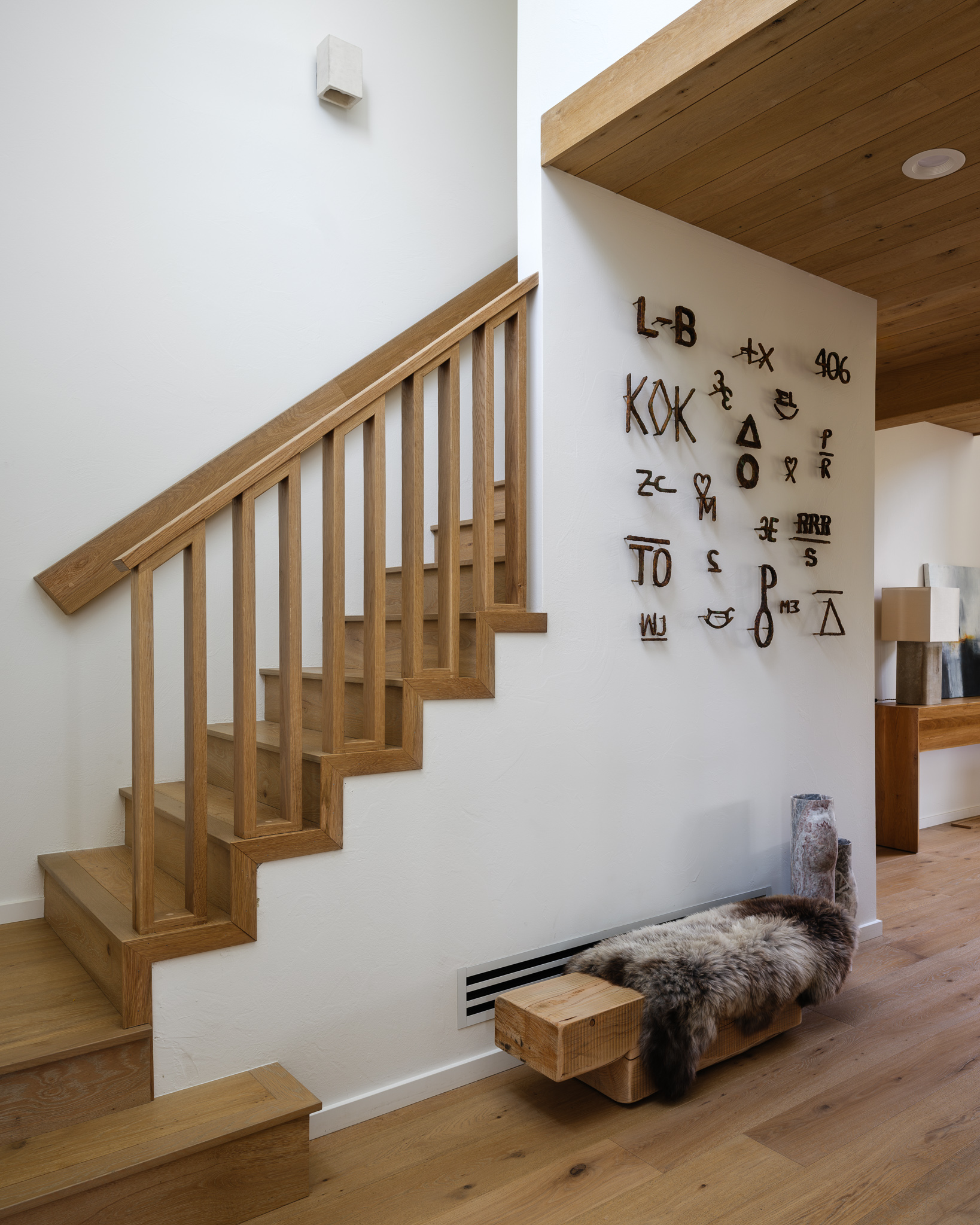
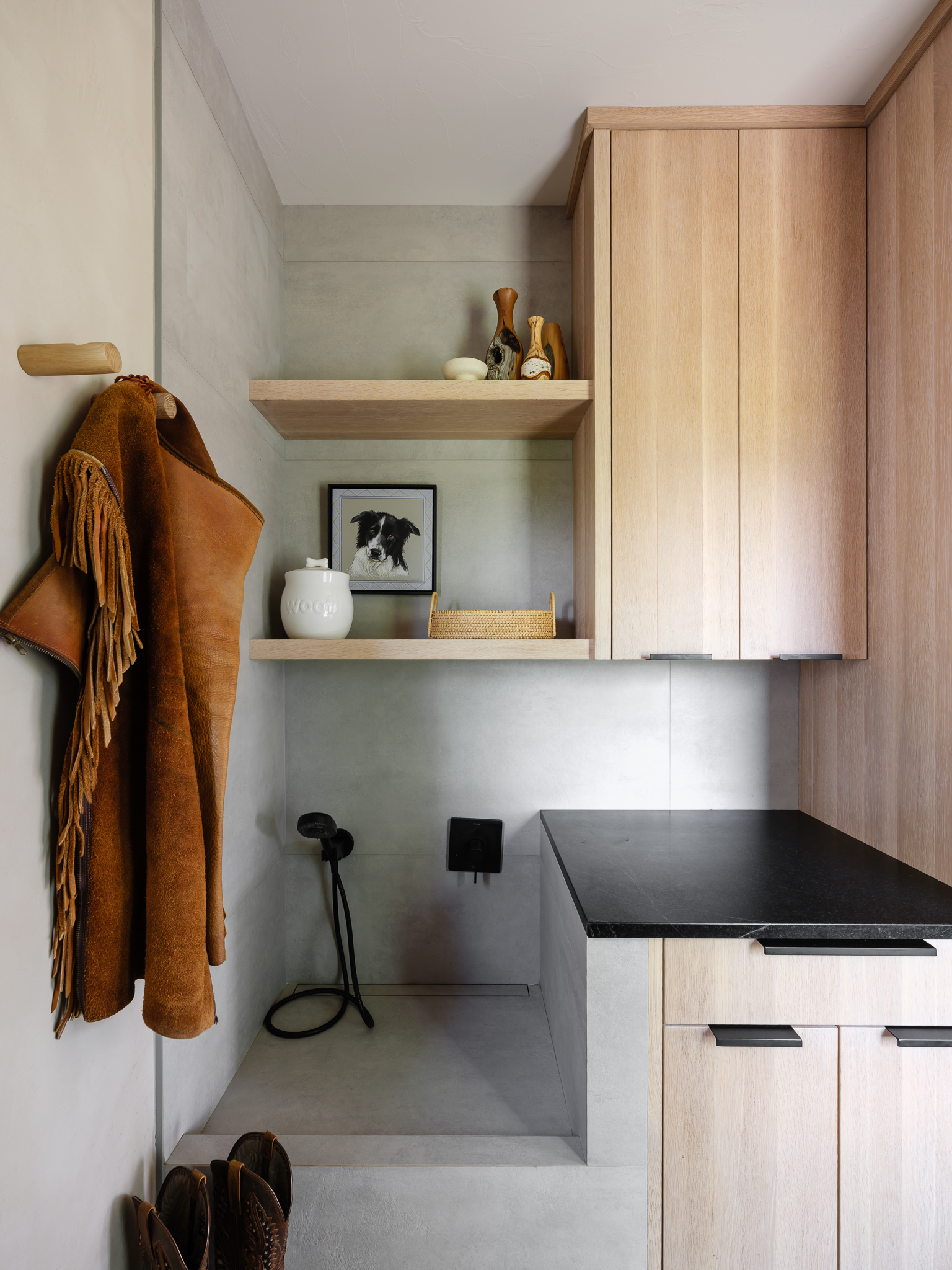
If there is a single idea worth carrying away from Dry Creek Ranch, it might be this: the best residential work doesn’t flatter a lifestyle—it keeps pace with it. Ellie didn’t need a house that looked like a ranch from a catalog. She needed one that could survive the real one—mud, laughter, chores, and the occasional victorious afternoon spent reclaiming the lettuce from underground invaders.
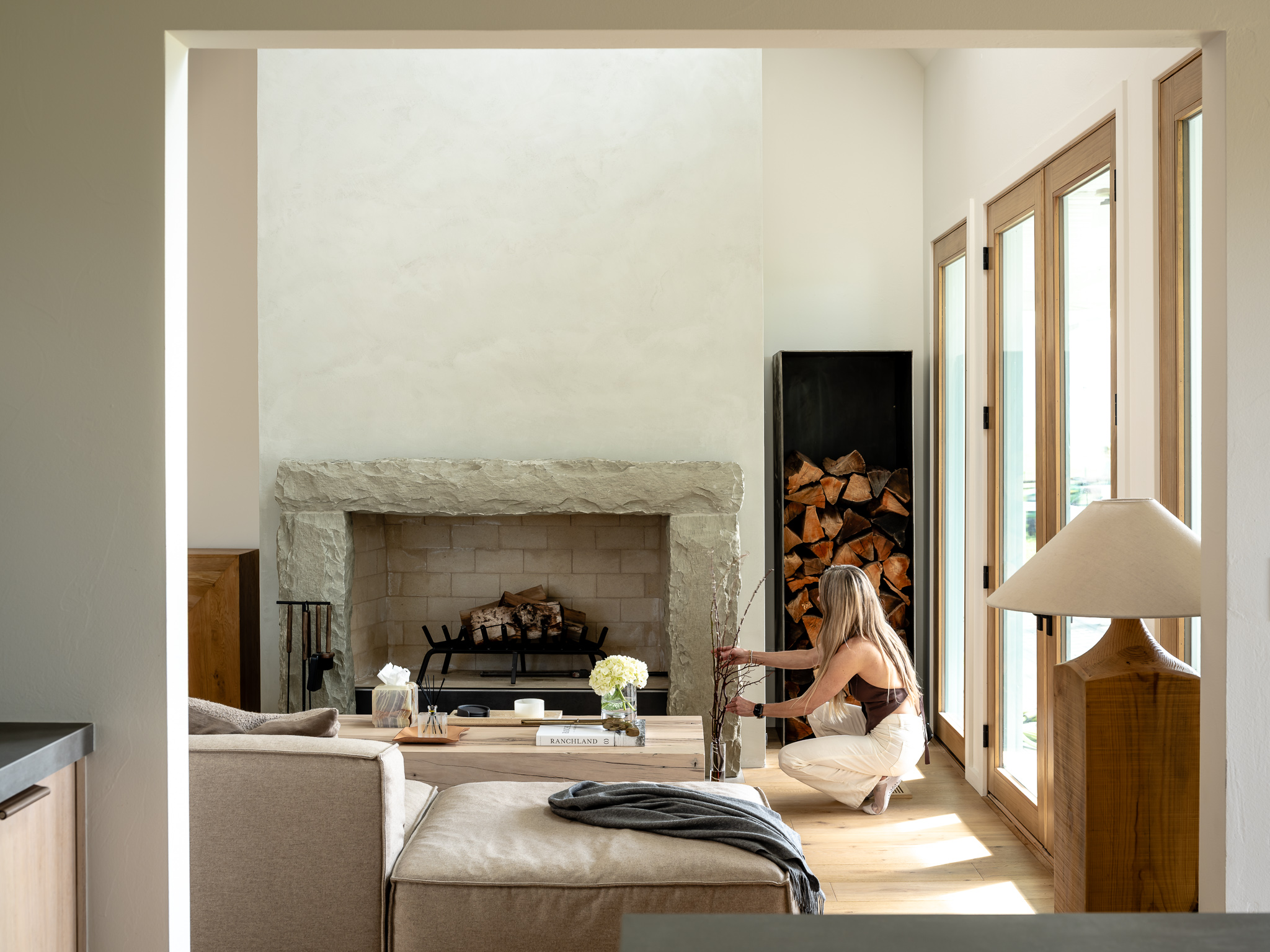
In the end, Dry Creek Ranch is a portrait of partnership: designer, client, and a circle of makers—Audet and Paige Ring on the walls, Alden in the metal, Apparatus and Magaro in the light—each leaving a fingerprint you can trace through the room. It is, in other words, exactly the kind of place where you can ride out at dawn, come back to something beautiful, and still know it was built for the real thing.